Español
 Русский язык
 Português
 بالعربية
 Français

Step-by-Step Guide to Aluminum Door, Window, and Curtain Wall Processing
Aluminum has become the material of choice for doors, windows, and curtain walls in modern construction, thanks to its lightweight, corrosion resistance, and design flexibility. The processing of aluminum into these building components is a systematic process that combines precision engineering, strict quality control, and adherence to industry standards. Below is a detailed breakdown of the key steps involved in manufacturing aluminum doors, windows, and curtain walls.
1. Raw Material Preparation and Inspection
The first step in the processing chain is selecting and inspecting high-quality raw materials to ensure the final product meets structural and aesthetic requirements.
Aluminum Profiles Selection: Manufacturers typically use 6000-series aluminum alloys (e.g., 6063, 6061) due to their excellent extrudability, strength, and corrosion resistance. Profiles are chosen based on the product’s intended use—for example, thicker profiles for load-bearing curtain wall frames and slimmer ones for residential windows.
Quality Inspection: Raw profiles undergo rigorous checks to verify dimensions (length, width, thickness), surface condition (no scratches, dents, or oxidation), and material composition (via spectrometric tests). Only profiles that meet ASTM, GB, or other regional standards proceed to the next stage.
Auxiliary Materials Preparation: Other components, such as glass (tempered, double-glazed, or Low-E), hardware (hinges, locks, handles), sealants (silicone, EPDM gaskets), and fasteners (stainless steel bolts, screws), are also inspected for quality and compatibility.

2. Cutting and Sizing of Aluminum Profiles
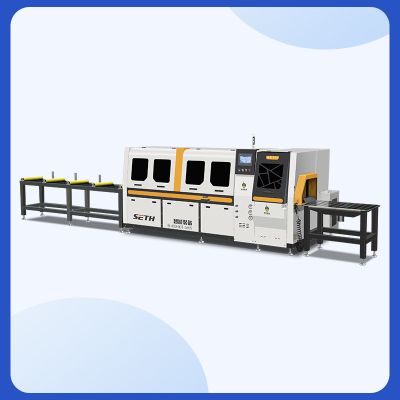
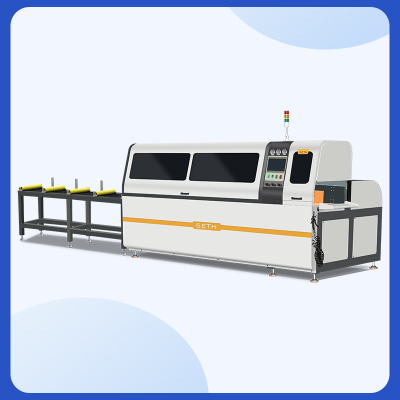
Once raw materials are approved, aluminum profiles are cut to precise lengths and shapes using specialized equipment—this step is critical for ensuring proper assembly later.
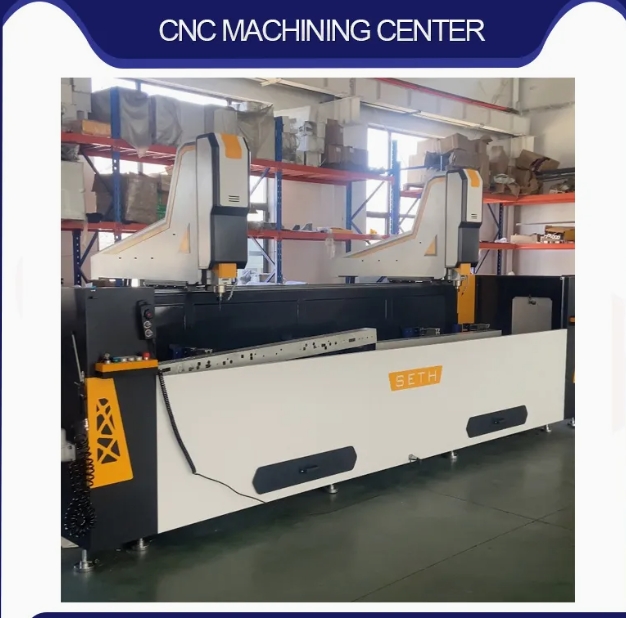
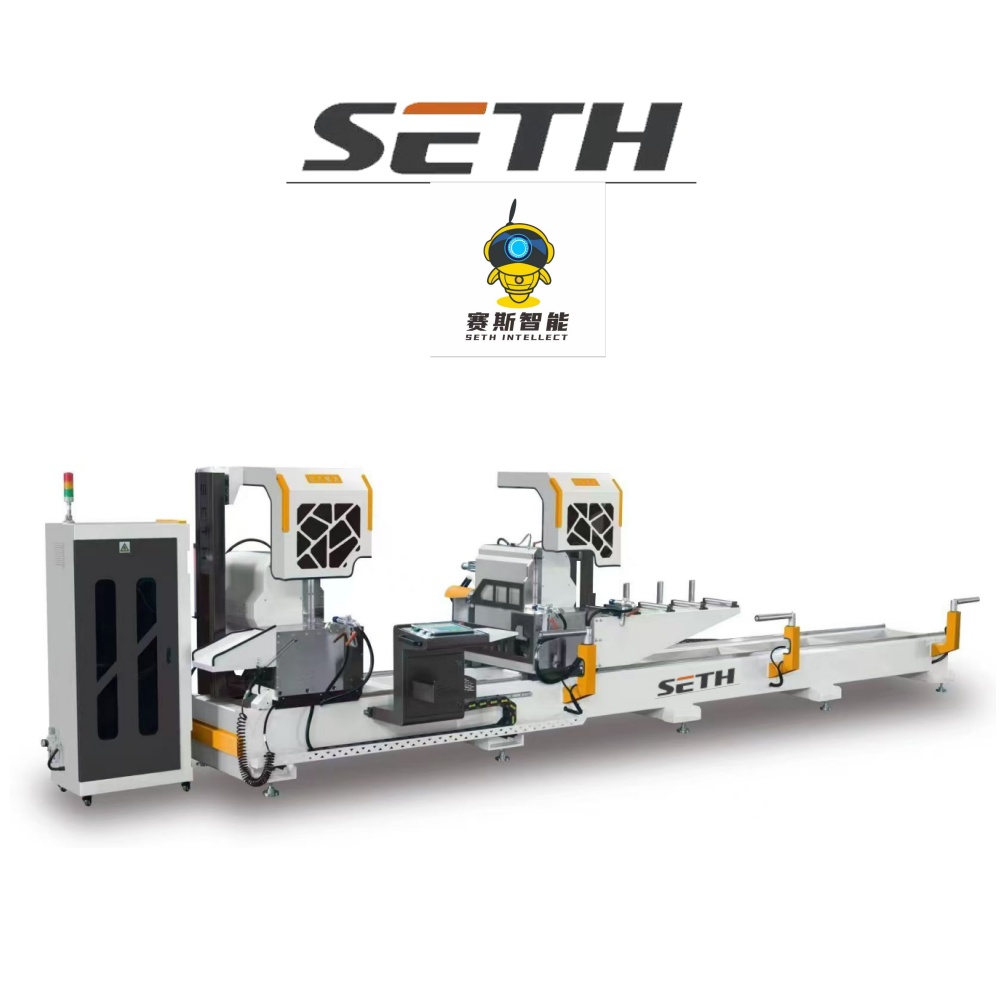
Equipment Used: Common tools include CNC (Computer Numerical Control) cutting machines, miter saws, and circular saws with diamond-tipped blades. CNC machines are preferred for high-volume or complex projects, as they offer accuracy within ±0.1mm.
Cutting Specifications: Profiles are cut according to detailed engineering drawings. For example, window frames require miter cuts at 45° for corner joints, while curtain wall mullions (vertical frames) are cut to match the building’s floor height.
Deburring: After cutting, the edges of profiles are deburred (smoothed) using sanding machines or hand tools to remove sharp burrs. This prevents injury during assembly and ensures a tight seal when joining components.
3. Punching, Drilling, and Notching
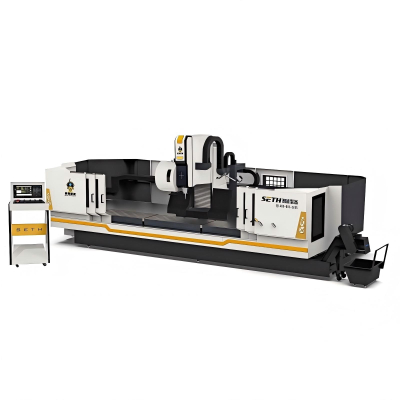
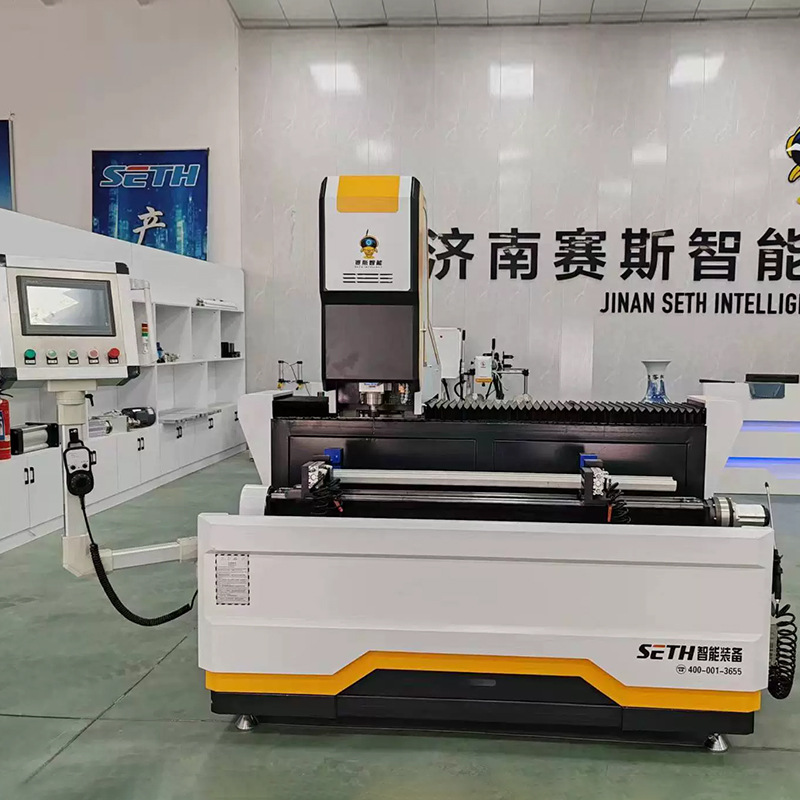
To accommodate hardware, fasteners, and glass, aluminum profiles undergo punching, drilling, or notching to create holes, slots, or recesses.
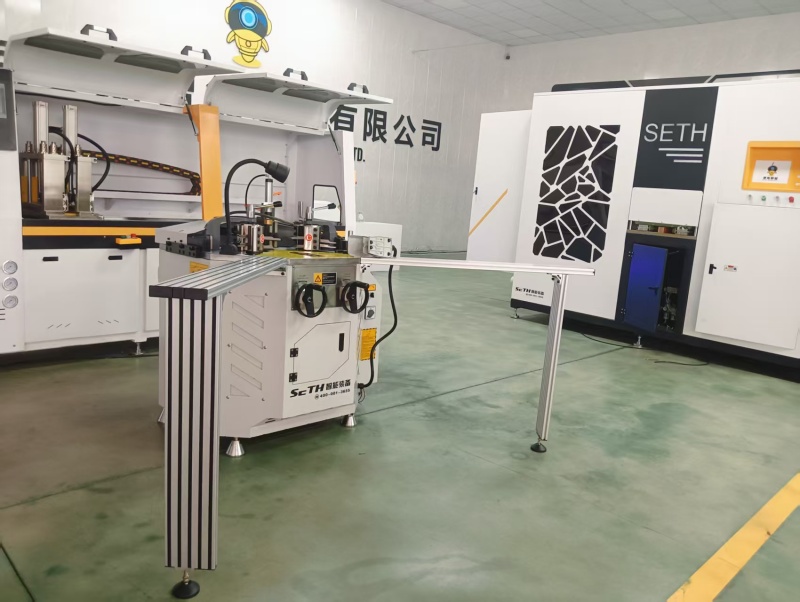
Punching: CNC punching machines create uniform holes for hinges, locks, or drainage systems. For example, window sashes (movable parts) are punched to fit handle mechanisms, while curtain wall profiles get holes for attaching glass panels.
Drilling: Drilling machines (often CNC-controlled) make precise holes for fasteners—such as bolts that connect curtain wall mullions to building structures. The size and position of holes are determined by load calculations to ensure structural stability.
Notching: Notches (recesses) are cut into profiles to allow for corner joints or to fit auxiliary components. For instance, window frame profiles are notched to hold EPDM gaskets, which seal gaps between the frame and glass.
Quality Check: After this step, each profile is inspected to confirm hole size, position, and depth meet design requirements—any errors here can lead to misalignment during assembly.
4. Surface Treatment
Aluminum profiles require surface treatment to enhance durability, corrosion resistance, and aesthetics. The choice of treatment depends on the product’s environment (e.g., coastal areas need higher corrosion protection) and design preferences.
Anodizing: One of the most common treatments, anodizing involves submerging profiles in an electrolytic solution to create a thick, porous oxide layer on the surface. This layer is then dyed (in colors like black, silver, or bronze) and sealed to improve scratch resistance. Anodized surfaces are ideal for high-traffic areas or outdoor applications.
Powder Coating: Profiles are electrostatically sprayed with a dry powder (polyester, epoxy, or hybrid resins) and then cured in an oven at 180–220°C. Powder coating offers a wide range of colors and textures (matte, glossy, or textured) and provides excellent resistance to UV rays and weathering.
Fluorocarbon Coating (PVDF): For ultra-durable applications (e.g., high-rise curtain walls), PVDF coatings are used. This process involves applying a fluoropolymer-based paint in multiple layers, which provides superior resistance to fading, corrosion, and chemical damage. PVDF-coated profiles can last up to 20 years in harsh environments.
Post-Treatment Inspection: Treated profiles are checked for coating thickness (via magnetic gauges), color consistency, and adhesion (using scratch or impact tests) to ensure compliance with standards like AAMA 2605 (for high-performance coatings).
5. Assembly of Components
In this step, processed aluminum profiles, glass, hardware, and sealants are assembled into finished doors, windows, or curtain wall units.
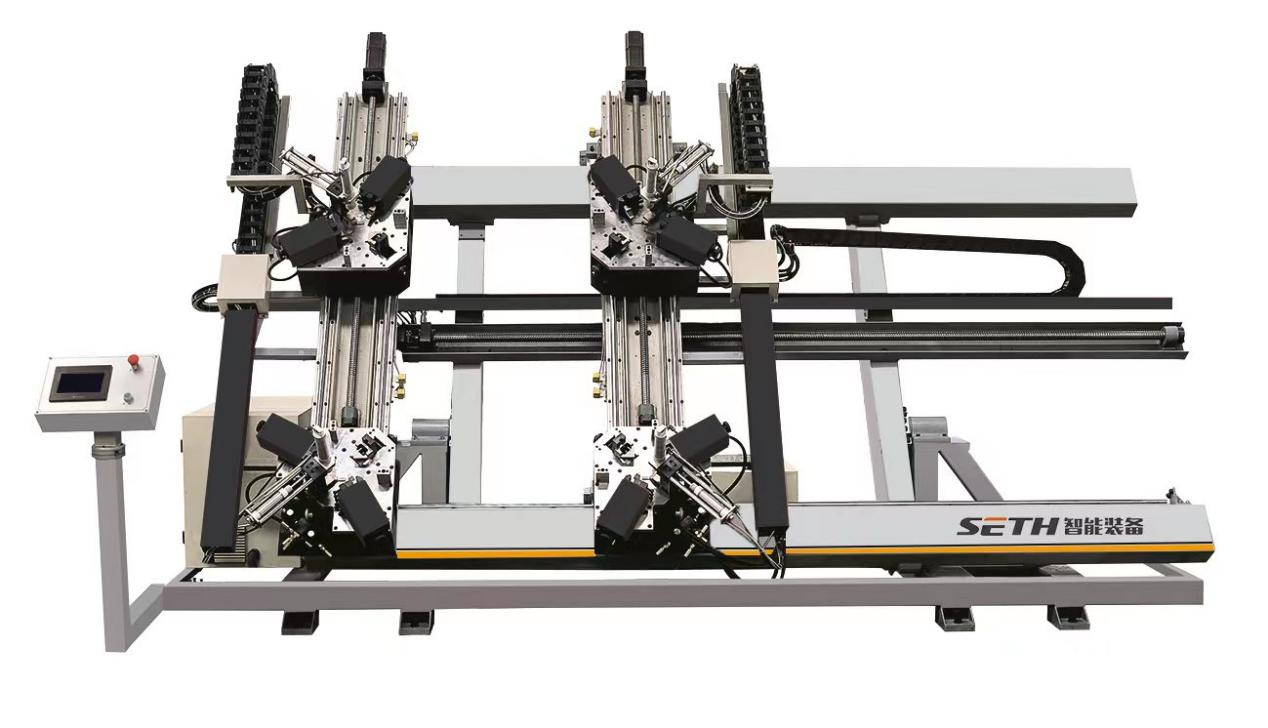
Frame Assembly: For doors and windows, cut and treated profiles are joined at corners using techniques like mechanical fastening (screws), adhesive bonding (structural silicone), or thermal fusion (for PVC-aluminum composites). Curtain wall frames are assembled into larger units (panels) by connecting mullions and transoms (horizontal frames) with bolts or rivets.
Glass Installation: Glass panels are carefully placed into the frame’s glazing grooves. Depending on the design, glass is held in place by EPDM gaskets (for residential windows) or structural silicone sealant (for curtain walls, which requires a 24-hour curing period). Double-glazed or triple-glazed units are installed with spacers to maintain airtightness and thermal insulation.
Hardware Fitting: Hardware components—such as door hinges, window locks, curtain wall access panels, and handles—are attached to the assembled frames. This step requires precise alignment to ensure smooth operation; for example, hinges are adjusted to ensure doors swing evenly without sagging.
Sealing and Weatherproofing: Gaps between frames, glass, and building structures are sealed with silicone sealant or foam tape to prevent water leakage, air infiltration, and noise. Drainage holes are also cleared to ensure proper water runoff, especially for outdoor curtain walls.
6. Quality Testing and Inspection
Before leaving the factory, every aluminum door, window, or curtain wall unit undergoes comprehensive testing to ensure it meets performance and safety standards.
Structural Load Testing: Curtain wall units are tested to withstand wind loads, snow loads, and seismic forces using specialized equipment. For example, a wind tunnel test simulates high winds to check for frame deformation or glass displacement.
Water and Air Tightness Testing: Units are subjected to water spray tests (to simulate heavy rain) and air pressure tests (to measure air leakage). For windows, this involves placing the unit in a test chamber and monitoring for water penetration or air flow—only units with leakage rates below industry limits (e.g., ≤0.1 m³/(h·m)) pass.
Functionality Testing: Doors and windows are tested for smooth operation—locks should engage easily, sashes should slide or swing without friction, and hardware should withstand repeated use (e.g., 10,000+ opening/closing cycles).
Visual Inspection: Final checks include verifying surface finish (no chips or color fading), component alignment (frames are square, glass is centered), and labeling (product codes, standards compliance).
7. Packaging and Shipping
After passing all tests, finished products are packaged to protect them during transportation to construction sites.
Packaging Materials: Units are wrapped in protective films (to prevent scratches) and packed in wooden crates or cardboard boxes with foam inserts. Curtain wall panels, which are larger and heavier, are often secured on pallets with straps to avoid shifting.
Labeling: Each package is labeled with product information (model number, dimensions, quantity), destination address, and handling instructions (e.g., “Keep Upright,” “Fragile”).
Logistics Planning: Products are shipped via trucks, ships, or containers, depending on the project’s location. For large-scale curtain wall projects, shipping schedules are coordinated with the construction site to ensure timely delivery and installation.