|
Language
 Español
 Русский язык
 Português
 بالعربية
 Français
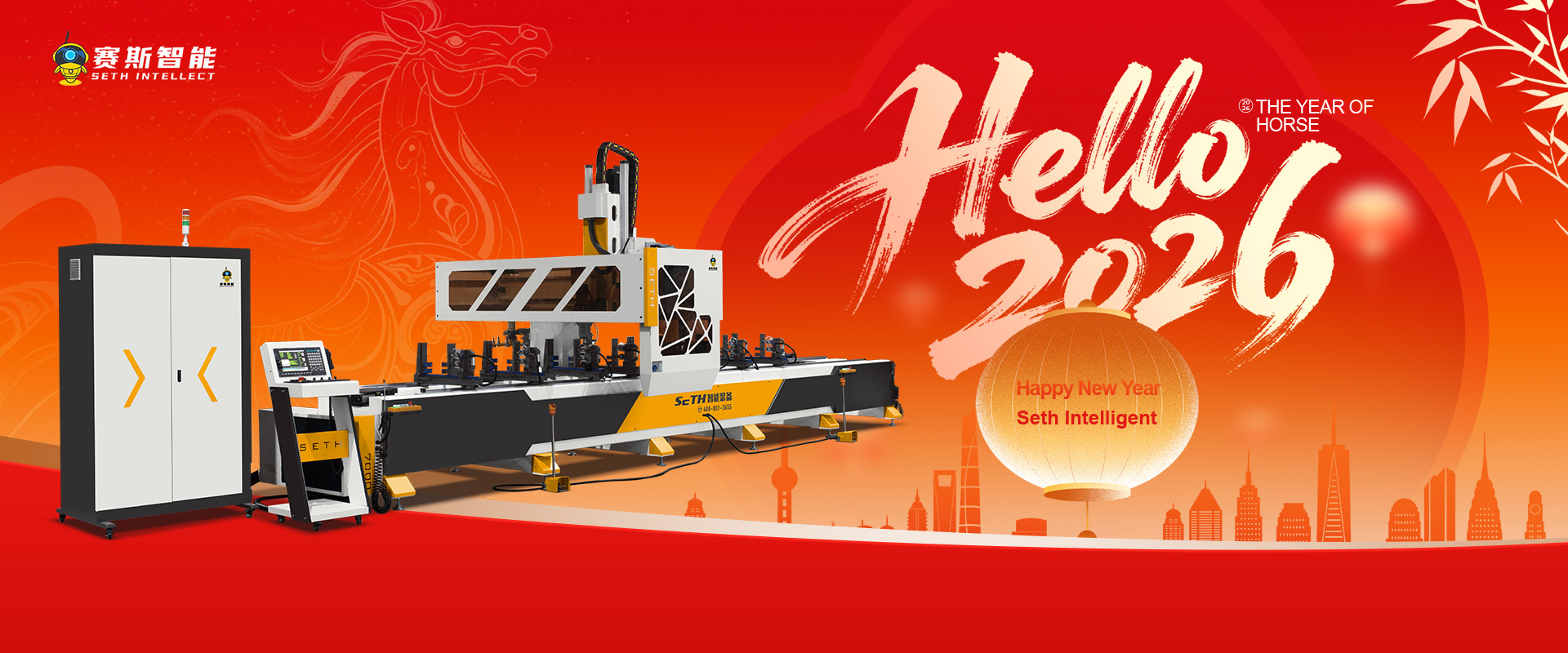
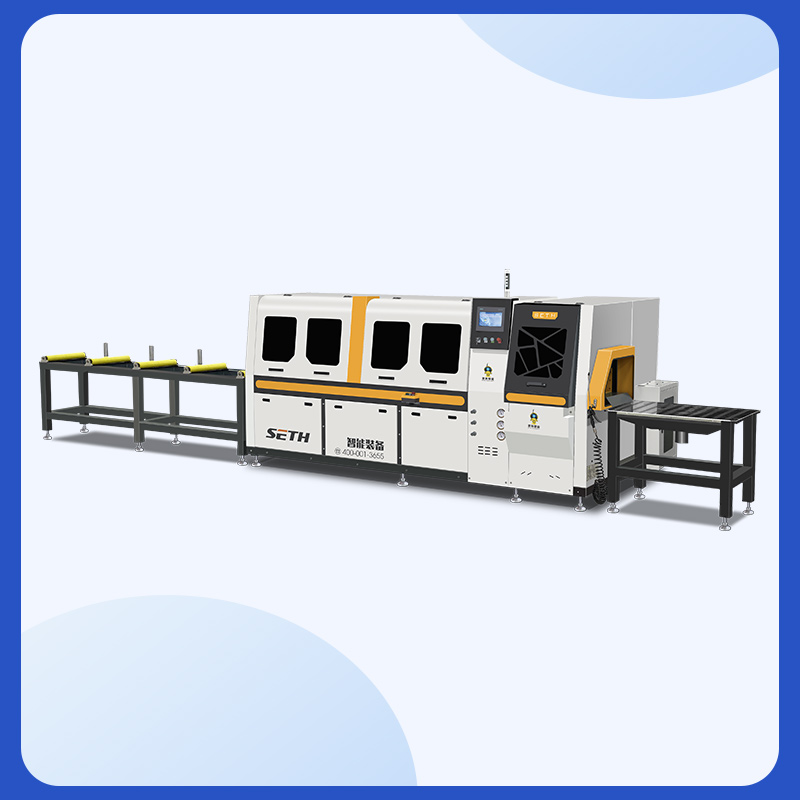
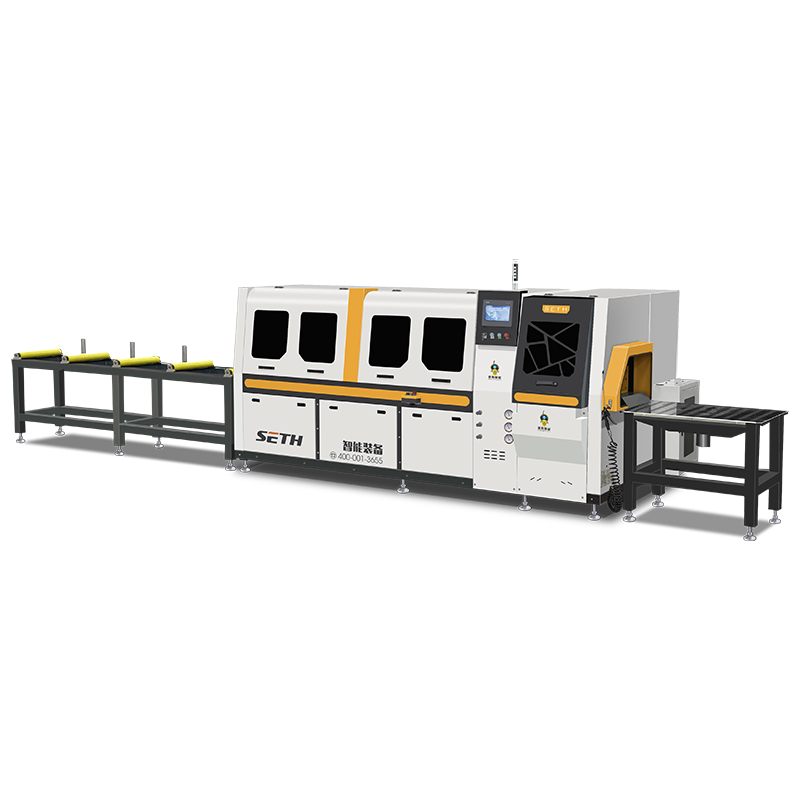
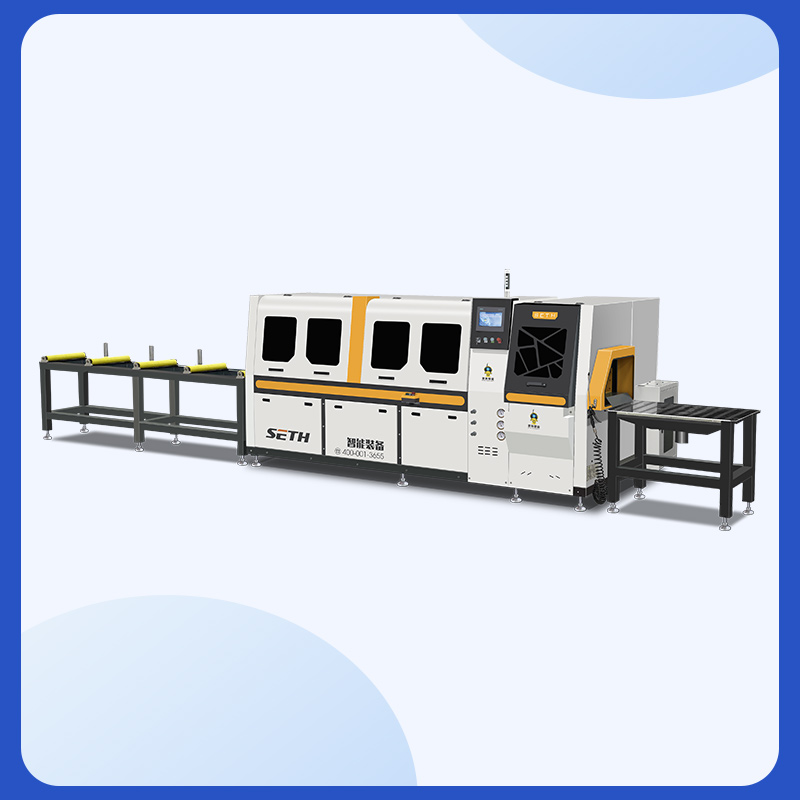
750mm saw blades automatic cutting saw for Heat sinks and Radiator and equipment enclosures feature high-precision cutouts.
High processing precision: Fully automatic CNC models achieve accuracy of ±0.05-0.1mm, with angular deviation controlled within ±0.1°, delivering smooth, burr-free cuts that meet the demands of high-end sectors such as electronics and aerospace.
High Efficiency Adaptability: Models ranging from manual to fully automatic cover all production capacity scenarios. Fully automatic machines perform 300-800 cuts per hour, meeting batch production demands exceeding 1,000 pieces daily.
Wide Material Compatibility: Compatible with pure aluminum, aluminum alloys, and other aluminum materials, while also handling copper cutting. By replacing specialized saw blades, it processes aluminum parts of varying thicknesses (1-200mm) and accommodates special operating conditions.
Stable and energy-efficient operation: Heavy-duty chassis + precision guide rail design minimizes vibration. Transmission system lifespan exceeds 100,000 hours with a failure rate below 0.5%. Premium models reduce energy consumption by 30% compared to traditional equipment.
Easy Operation and Maintenance: Modular design facilitates quick replacement of saw blades and components. High-end models feature intelligent functions like automatic oil spraying and AI optimization, reducing manual intervention and material waste (achieving 98.5% utilization rate).
Comprehensive Safety: Equipped with protective covers, emergency stop buttons, and leakage protection devices. Select models incorporate infrared sensors that automatically halt operation when human proximity is detected in the cutting zone, minimizing operational risks.
Product Details
1. Fully Automatic CNC Aluminum Cutting Machine: Integrates automatic feeding, length measurement, clamping, and material removal functions throughout the entire process. Supports multi-angle cutting at 45°, 90°, and other angles, achieving precision within ±0.05-0.1mm. Capable of 300-800 cuts per hour, it serves as core equipment for aluminum profile mass production. Widely used in automotive components, building curtain walls, and other fields, with a price range of ¥50,000 to over ¥200,000.
2.- Specialized Aluminum Cutting Machines: Includes high-speed cutters (suited for 1-10mm thin aluminum parts like electronic enclosures) and heavy-duty cutters (capable of processing 100-200mm thick aluminum for aerospace component fabrication), requiring customization for specific operational conditions.
3. Core Application Fields
Aluminum cutting machines have permeated all stages of industrial production: in construction, they ensure precise cutting of door/window profiles and curtain wall studs for tight joints; in automotive manufacturing, they meet lightweighting demands by processing body frames and wheel hubs; in electronics, they deliver high-precision cuts for heat sinks and equipment housings; in aerospace, they satisfy stringent machining standards for spacecraft aluminum alloy structural components.
II. Scientific Selection: Crafting an Aluminum Cutting Machine Solution Tailored to Your Needs
When selecting an aluminum cutting machine, avoid the misconception that “higher specifications are always better.” Instead, establish a comprehensive evaluation system centered on processing requirements, operating costs, and after-sales service. The following six core dimensions are key considerations for ensuring equipment suitability.
1. Precisely Match Processing Requirements
Processing needs form the logical starting point for selection. Three core parameters must be clearly defined:
- Material Parameters: Identify aluminum type (pure aluminum, aluminum alloy, aluminum tubes/bars/sheets), thickness, and cross-sectional dimensions. For example, cutting 120mm×80mm aluminum profiles requires equipment matching the maximum cutting specifications. While copper cutting may be compatible, stainless steel cutting necessitates specialized saw blades and reduced rotational speeds.
- Precision Requirements: Electronics and aerospace sectors require CNC models (±0.1mm tolerance). Standard architectural profiles may use semi-automatic machines with slightly lower precision. Angular accuracy is equally critical—door/window joints demand ±0.1° tolerance control.
- Production Capacity Requirements: Calculate average daily output. For under 500 pieces daily, semi-automatic models suffice; over 1,000 pieces daily requires fully automatic CNC equipment. Avoid “over-sizing” (wasting energy) or “under-sizing” (causing overload).
2. Focus on Core Performance Parameters
Performance parameters directly determine processing quality and efficiency. Prioritize these four metrics:
- Power System: Motor power ranges from 1.5-15kW. Select 1.5-5kW for small equipment and 5-15kW for heavy-duty equipment. Prioritize servo motors, which offer superior response speed and control precision compared to standard asynchronous motors.
- Cutting Parameters: Saw blade diameters typically range from 120-500mm, matching material thickness; recommended rotational speed is 3000-4500 r/min (for aluminum alloy). Feed rates should be 20-30m/min for thin materials (<10mm) and reduced to 5-10m/min for thick materials (>50mm) to protect the saw blade.
- Stable Structure: Features a heavy-duty frame with precision guide rail design, paired with pneumatic/hydraulic material clamping systems to prevent material displacement during cutting. High-quality equipment boasts transmission systems with lifespans exceeding 100,000 hours and failure rates below 0.5%.
- Smart Features: High-end models incorporate automatic oil spraying systems to reduce aluminum chip adhesion to blades. AI optimization functions enhance material utilization to 98.5%, while multi-specification compatibility systems accommodate over 1,000 profile types.
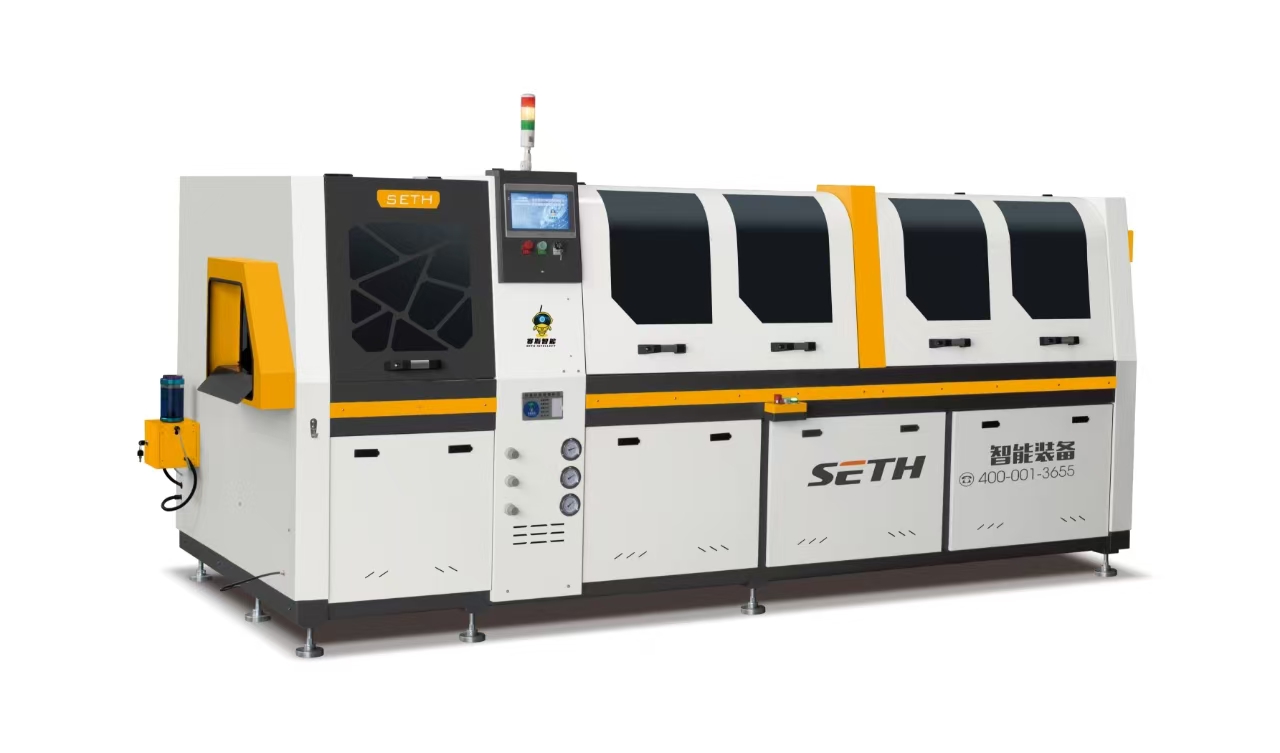
Product form
Related Products
Related News
Popular products
Submitted successfully
We will contact you as soon as possible
Close